PLD Space Finalizes Miura 5 Hardware While Reaction Dynamics Targets 2028 Orbit
Spanish manufacturer PLD Space is near final integration for its Miura 5 rocket, while Canadian startup Reaction Dynamics seeks funding to expand its workforce and develop new launch vehicles.
By Noor Haddad ·
The commercial space sector is currently defined by a distinct divergence in maturity between European small-lift efforts and emerging Canadian ventures. While established programs in Spain are moving into final hardware verification, newer startups in North America are focusing on capital raising and long-term workforce expansion to build out their fleets.
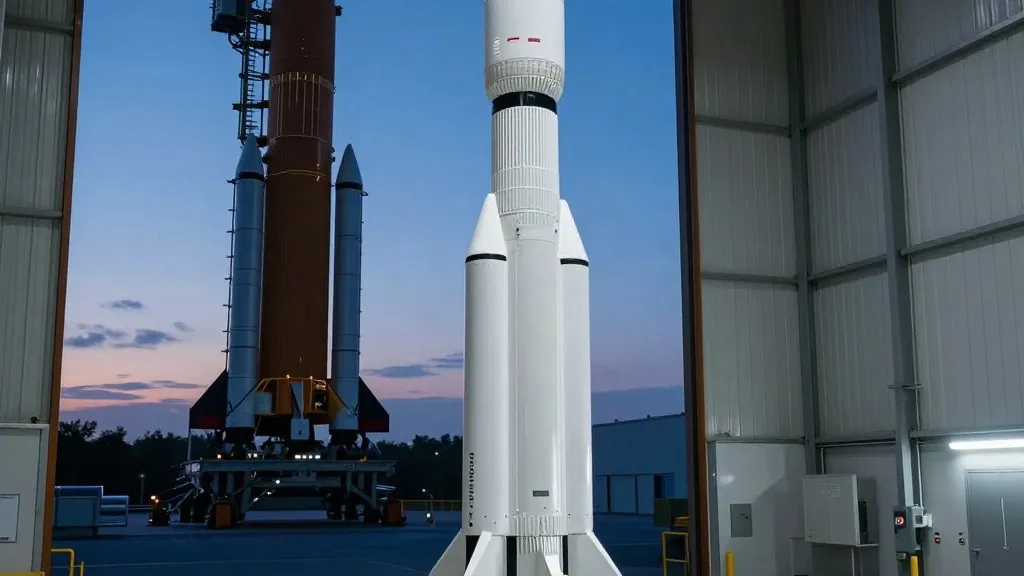
PLD Space, a Spanish aerospace company, has indicated that its Miura 5 rocket is nearing final integration. According to reports from Aviation Week, the vehicle is scheduled for its inaugural launch next year. The company has already manufactured three of these small-lift rockets. CEO Raúl Torres explained during a program update on October 19 that two of the three vehicles are intended to qualify key system elements. The third is the designated launch vehicle. PLD Space now targets a first flight for this small-lift vehicle before mid-2027.
The production strategy relies heavily on iterative learning. Torres stated that manufacturing the three vehicles has allowed teams to work continuously across different stages of production and integration. This approach enables the application of lessons learned from each qualification campaign directly to the eventual launch vehicle. Currently, one Miura 5 second stage is fully integrated to begin system-level testing under representative operating conditions.
This specific second stage is located at PLD’s Teruel test facility. It is undergoing a qualification campaign that includes a wet dress rehearsal and a static hot-fire test. These tests are critical for validating the structural and propellant system integrity of the upper stage before the rocket is cleared for orbital flight.
In North America, the focus is shifting toward capital and personnel scaling. Reaction Dynamics, one of three prominent Canadian launch startups, is seeking to raise $350 million. According to spaceQ, the funding is intended to grow the company's staff from 68 to more than 350 people. This significant workforce expansion is necessary to support the development of their small-lift Aurora rocket, which Reaction Dynamics hopes will reach orbit in 2028.
The company is not limiting its ambitions to the small-lift market. Reaction Dynamics also announced plans to build a medium-lift rocket named Borealis. The debut for this larger vehicle is targeted for 2031. This dual-track approach allows the company to establish a foothold with the smaller Aurora while developing the infrastructure for heavier payloads.
These developments occur against a backdrop of significant activity at SpaceX. The company recently declined three military launch contracts offered by the US Space Force. Additionally, a NASA safety panel indicated that SpaceX’s Starship may require up to 22 refuelings to support a lunar landing. While these events dominate the headlines, the progress of PLD Space and Reaction Dynamics highlights the broadening base of the global launch market.
The timeline for these projects suggests a competitive landscape in the coming years. PLD Space aims for a flight before mid-2027, while Reaction Dynamics targets an orbital insertion for Aurora in 2028. The success of these initiatives will depend on their ability to execute final integrations and secure necessary funding in a rapidly evolving industry.
Source: Ars Technica