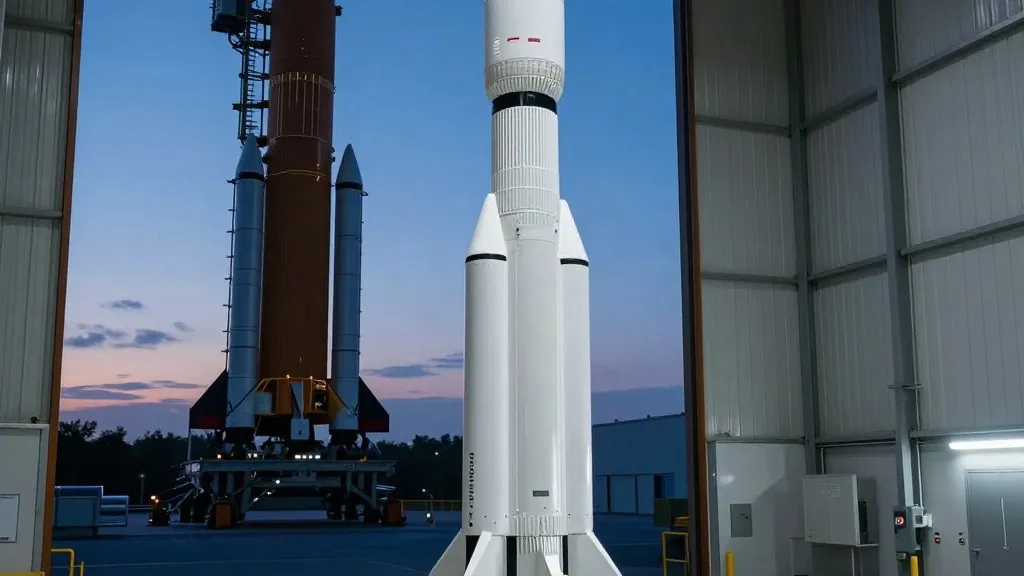
SpaceX shares surge as AI revenue explosion and new guidance shock Wall Street
A massive beat on earnings and aggressive expansion plans into artificial intelligence have prompted a wave of price target hikes for the space and tech giant.
By Isabella Morales ·
SpaceX triggered a significant rally in its stock price on Tuesday, October 21, after releasing third-quarter financial results that far exceeded market expectations. The company, trading under the ticker SPCX, saw shares climb approximately 8 percent in premarket trading following a closing price of $147.79 the previous day. The sharp upward movement was driven by a robust earnings report released after the bell on October 20, which highlighted a dramatic pivot toward artificial intelligence and connectivity services.
The shift in investor sentiment was immediate, with Wall Street analysts scrambling to revise their outlooks. JPMorgan led the charge, more than doubling its price target to $500 from $240 while maintaining an Overweight rating. Other major financial institutions followed suit with substantial increases; Cantor Fitzgerald raised its target to $345, Barclays to $300, and Wells Fargo to $274. Citi, UBS, and TD Cowen also adjusted their valuations upward, reflecting a broader consensus that the company’s long-term earnings power is stronger than previously modeled.
The financial performance behind these revisions was substantial. SpaceX reported total revenue of $14.6 billion for the quarter, representing a 161 percent year-over-year increase. This figure comfortably surpassed the consensus estimate of approximately $12.7 billion. Profitability also swung dramatically in the company’s favor, with a net profit of $4.4 billion marking a turnaround from a loss in the same period last year. Adjusted EBITDA reached $8.8 billion, further underscoring the operational efficiency of the business model.
A key driver of this revenue growth was the Super Intelligence division, which generated roughly $7.6 billion in the quarter. This unit has become the largest revenue contributor for SpaceX, growing nearly 830 percent year-over-year. The Connectivity segment also performed strongly, delivering $5.2 billion in revenue. This success was bolstered by strong subscriber additions, which expanded the Starlink consumer base to 13.6 million users, indicating sustained demand for the satellite internet service.
The earnings call provided additional catalysts for the stock’s rise, particularly regarding future growth. CEO Elon Musk and CFO Bret Johnsen outlined first-quarter revenue guidance for 2027 ranging from $33 billion to $37 billion. This projection significantly outpaced analyst models, which had estimated revenue of only about $22 billion for the same period. The guidance suggests an aggressive acceleration in growth, largely fueled by the company’s expanding role in providing compute infrastructure for artificial intelligence.
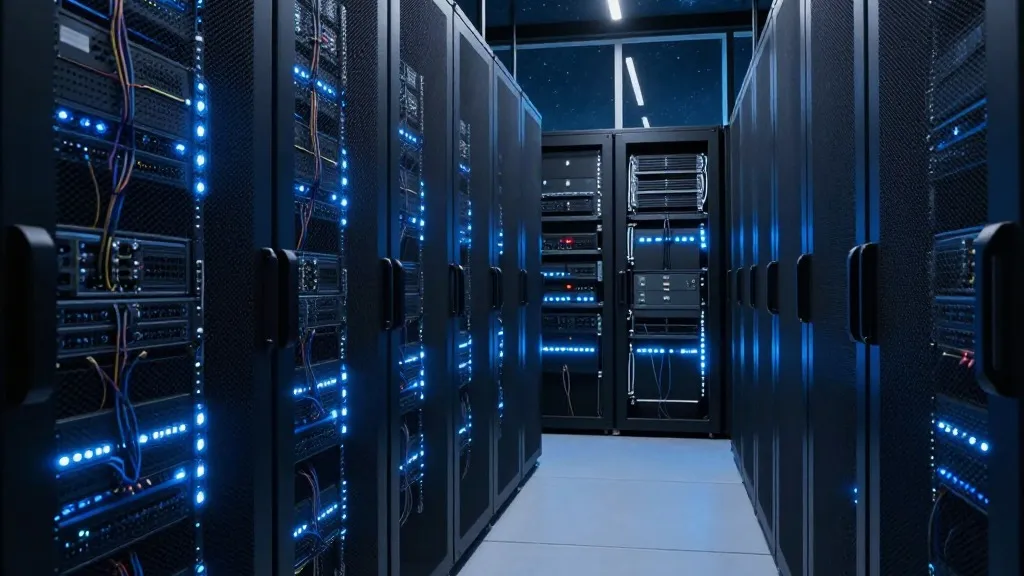
Management also detailed plans for substantial capital expenditure in the fourth quarter, with spending expected to range from $35 billion to $40 billion. These funds are primarily earmarked for AI compute infrastructure at sites including Memphis and Southaven. The company targets 2.5 to 3 gigawatts of nameplate compute capacity by the end of the current year, with pathways identified to reach 13 gigawatts or more by the end of 2027. Musk noted that demand from hyperscalers and other customers remains relentless, with compute pricing supporting payback periods of less than a year, and in some cases as short as six months.
Beyond the AI and revenue figures, the call highlighted several operational milestones. SpaceX discussed the recent orbital success of its Starship vehicle and the deployment of V3 satellites. The company also noted rapid adoption of the Grok Bot and momentum in enterprise Starlink pricing. Additionally, management mentioned the formation of special committees to explore a possible combination with Tesla, a development that has generated significant interest among investors tracking the broader ecosystem.
The collective response from analysts was to cite the strong quarterly print, the accelerating expansion of AI compute, and progress in Starlink and Starship as the primary drivers for higher long-term growth. While the average analyst price target has moved higher, reflecting greater conviction in the company’s trajectory across its launch, connectivity, and AI businesses, the elevated spending plans remain a point of focus for investors monitoring cash flow and operational leverage.
For now, the market is rewarding the company for its ability to dominate multiple high-growth sectors simultaneously. The combination of record revenue, improved profitability, and a clear roadmap for AI infrastructure investment has redefined SpaceX’s valuation metrics. As the company moves into the final quarter of 2026, the focus will remain on executing these massive capital projects while maintaining the rapid pace of subscriber and revenue growth that has characterized its recent performance.
The stock’s performance in premarket trading on October 21 serves as a clear indicator of the current market mood. Investors appear comfortable with the increased spending, viewing it as an investment in a dominant position in the future of computing and connectivity. The day’s trading will likely confirm whether the initial premarket gains hold steady as the full implications of the earnings call are digested by the broader market.
Source: Teslarati